
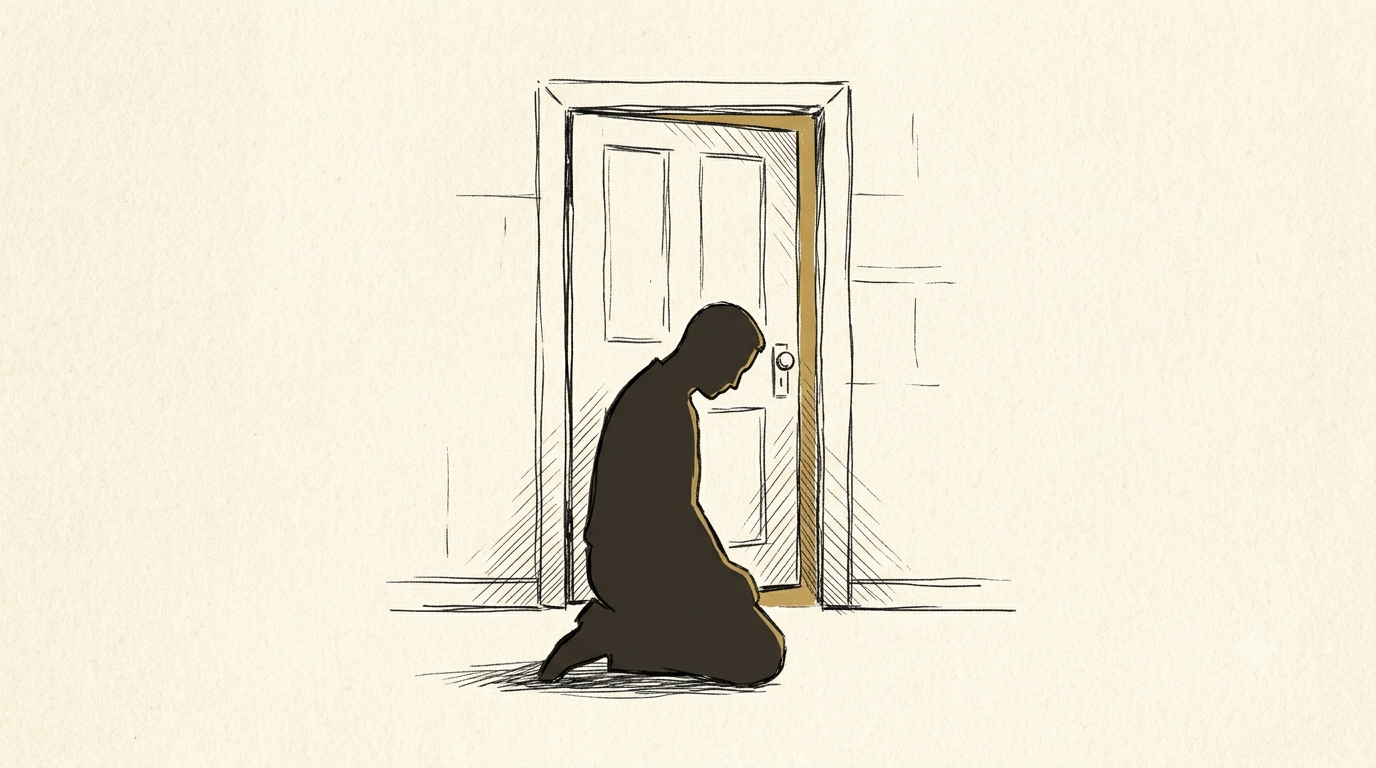
There’s a strange irony in pride: it convinces us we don’t need help while quietly cutting us off from the only help that matters. Pride doesn’t usually announce itself as “I refuse to talk to God.” It’s subtler — a refusal to admit fault, an unwillingness to ask, a determination to fix things ourselves. But scripture shows again and again that pride creates real distance between us and God, even while we go on performing the motions of faith.
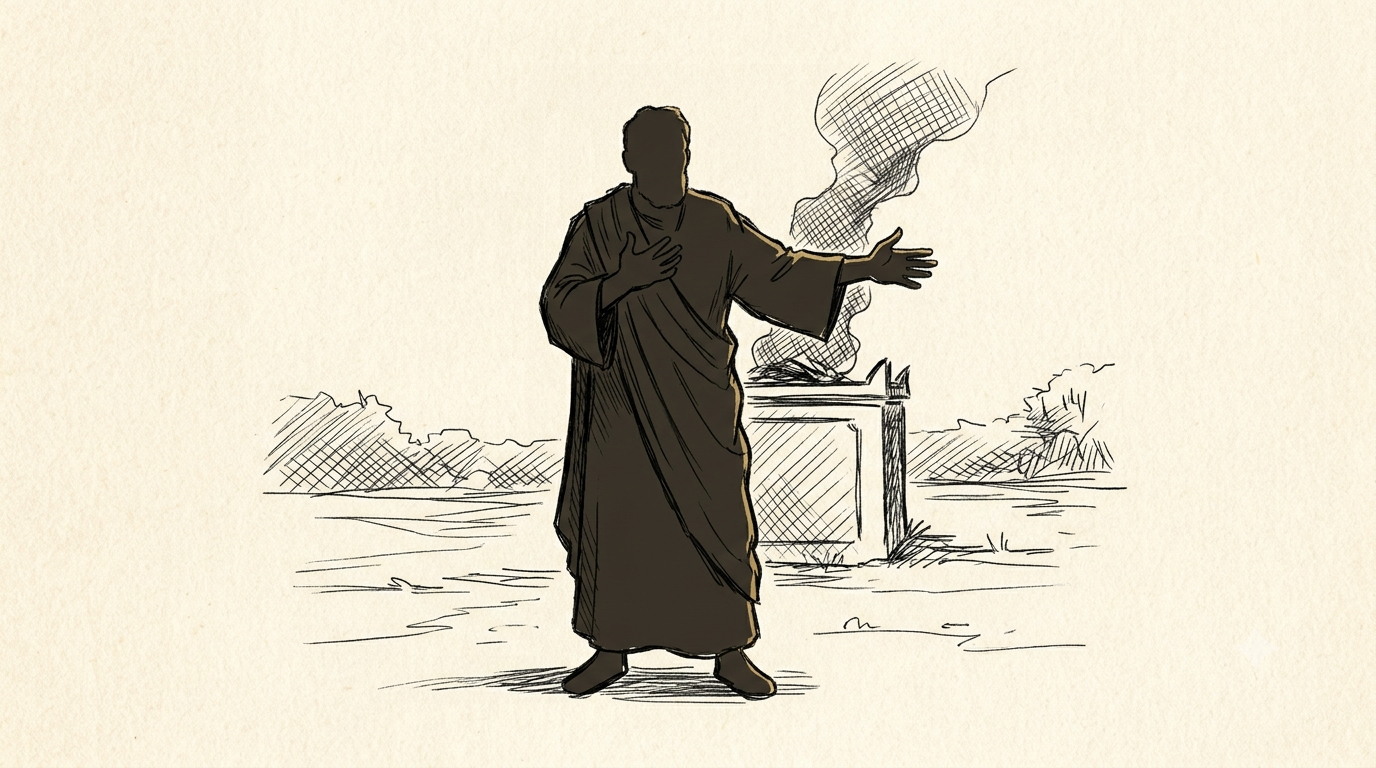
Saul: When Self-Justification Replaces Repentance
After Saul disobeyed God’s clear instruction regarding the Amalekites, Samuel confronted him. Saul’s first response wasn’t confession — it was justification. He insisted he had obeyed, then blamed the people, then tried to dress up his disobedience as worship by saying the spoils were kept “to sacrifice unto the Lord.” Samuel’s reply cuts through it: “To obey is better than sacrifice” (1 Samuel 15:22).
What’s striking is that Saul never stops talking to God’s prophet — he just never actually humbles himself before God. He wants to look repentant more than he wants to be repentant. That’s pride wearing the costume of religion.
It’s possible to keep up every outward habit of faith — prayer, church, service — while pride keeps the actual conversation with God closed. Ask yourself: when I’ve been wrong, is my instinct to explain myself, or to simply say “I was wrong”?
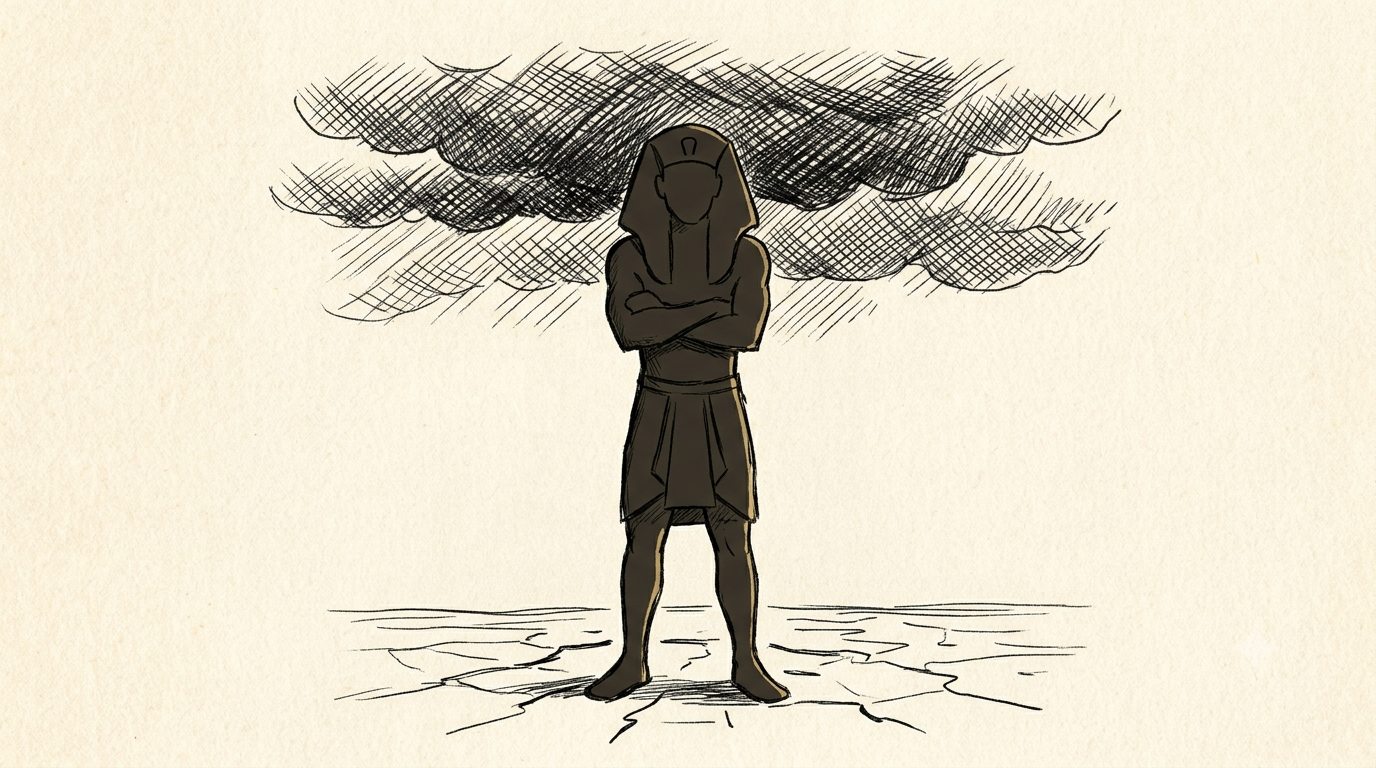
Pharaoh: Hardening as a Habit
Pharaoh’s story in Exodus is a slow-motion picture of pride refusing to yield. Plague after plague, he negotiates, stalls, and briefly relents — only to harden his heart again the moment relief comes. Each refusal makes the next one easier, until Exodus says his heart hardened almost automatically.
Pride rarely resists God in one dramatic moment. More often it’s a habit — a small refusal to yield today that makes tomorrow’s refusal easier. Where in your life have small, repeated “no’s” to God quietly built into a hardened pattern?
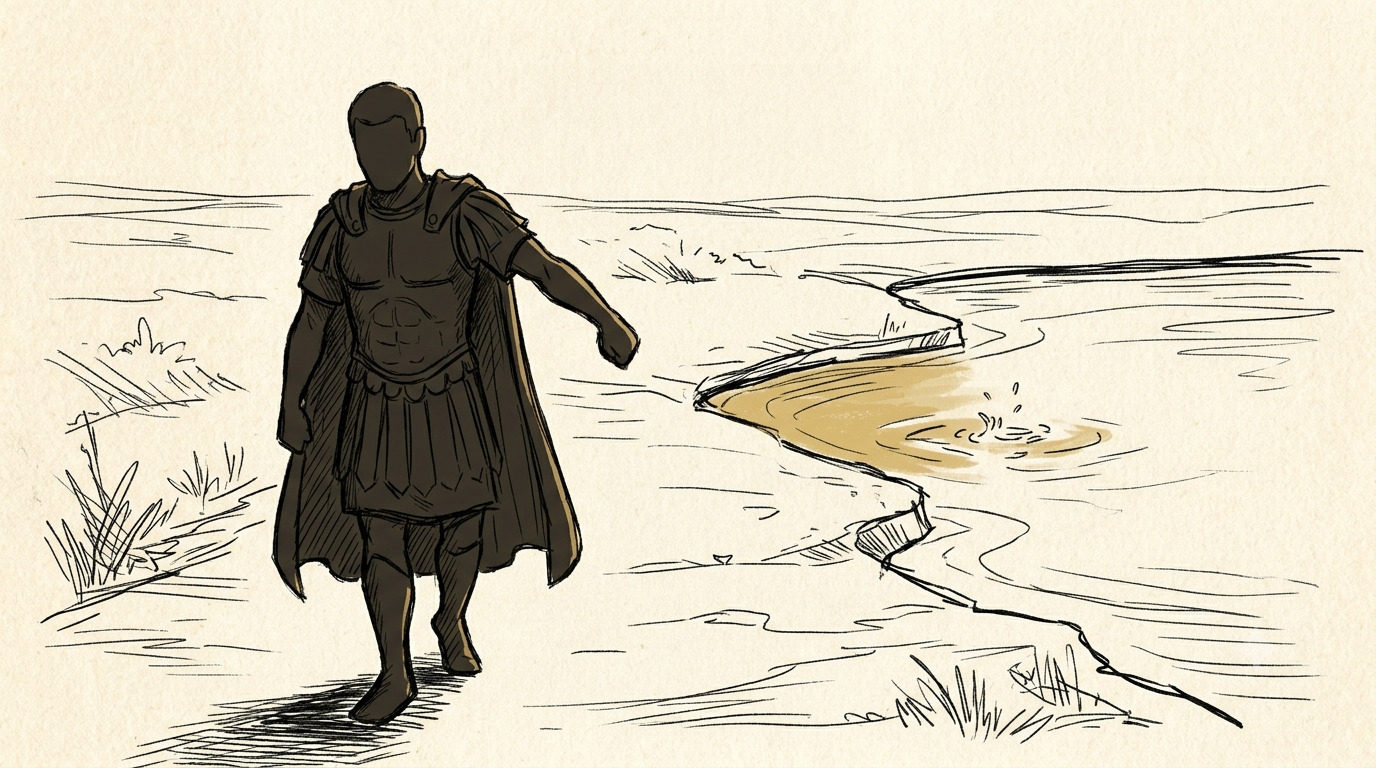
Naaman: Too Important to Obey a Simple Word
Naaman, the powerful Syrian commander, came to Elisha seeking healing from leprosy — expecting something dramatic, worthy of his rank. Instead, Elisha simply told him to wash in the Jordan River seven times. Naaman was furious. He said he thought Elisha would come out, call on the Lord, and wave his hand over the sore (2 Kings 5:11) — he wanted a display that matched his status, not a plain instruction. It took his servants talking sense into him before he’d obey.
Sometimes pride doesn’t reject God outright — it rejects the ordinary way God asks us to come to Him. We want an experience that feels significant, not a simple act of obedience like confession, forgiveness, or a quiet returning to prayer.
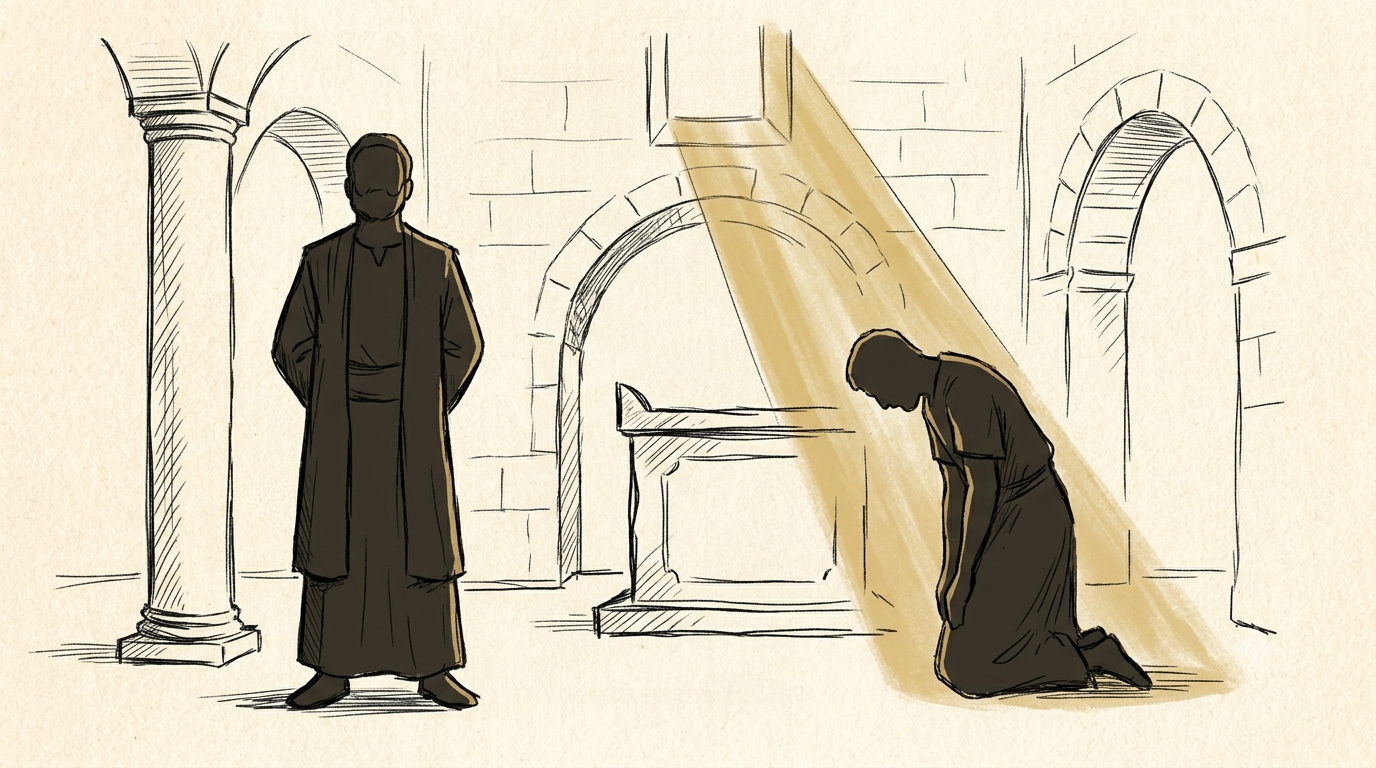
The Pharisee and the Tax Collector: Prayer That Isn’t Really Prayer
In Luke 18, Jesus tells of two men praying in the temple. The Pharisee stands and thanks God that he isn’t like other men. The tax collector won’t even lift his eyes, and simply says, “God be merciful to me a sinner” (Luke 18:13). Jesus says it’s the tax collector, not the Pharisee, who went home justified.
The Pharisee is technically praying — words are going up — but pride has turned the prayer into a performance for himself. There’s no actual reaching toward God, only a rehearsal of his own goodness.
It’s possible to say words to God without truly speaking to Him. Pride can make prayer a monologue about ourselves rather than an honest conversation with Him.
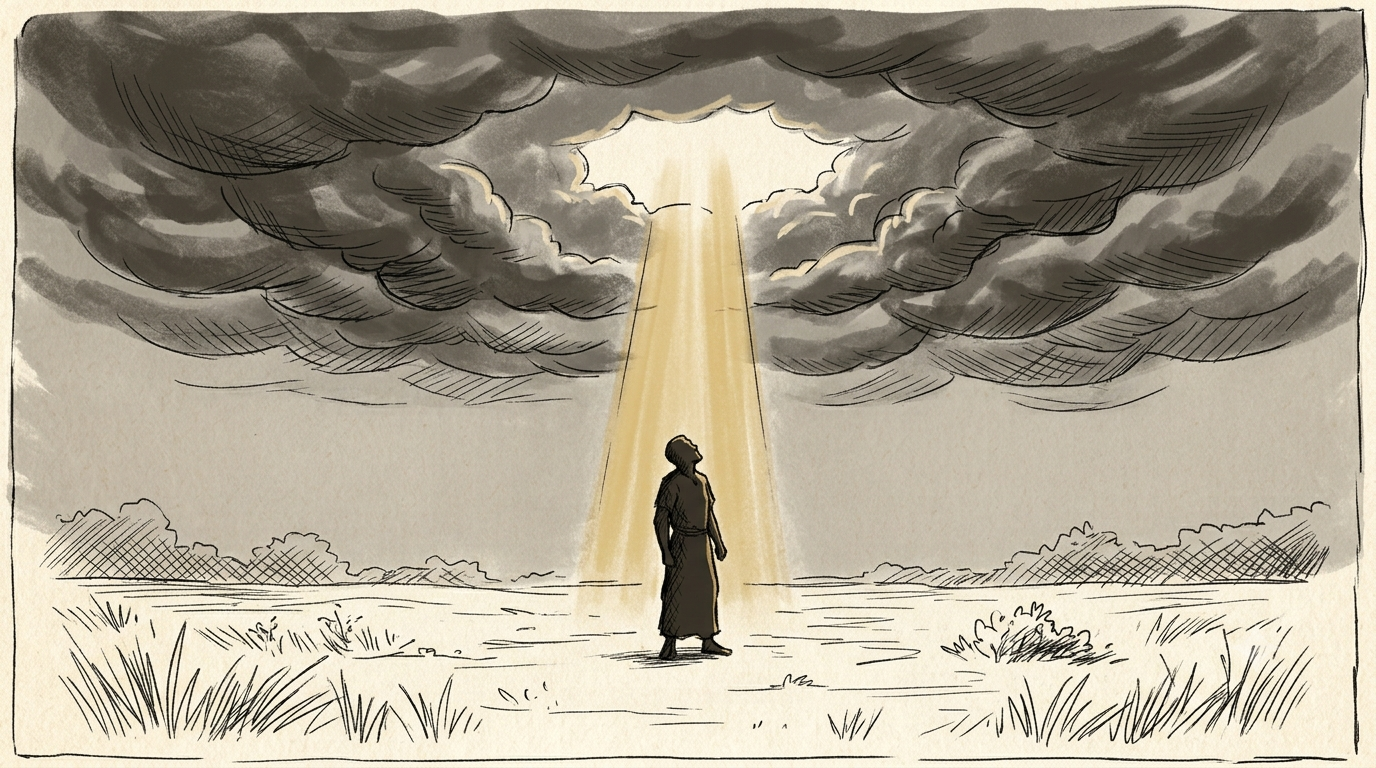
Nebuchadnezzar: Brought Low to Be Restored
King Nebuchadnezzar, at the height of his power, looked over his kingdom and credited himself entirely: “Is not this great Babylon, that I have built…by the might of my power” (Daniel 4:30). Immediately, judgment fell, and he lived like a beast in the field for seven years — until, Daniel tells us, he lifted his eyes to heaven and his understanding returned. His restoration begins the moment he stops crediting himself and starts acknowledging God.
Sometimes God allows pride to be stripped away slowly, even painfully, because it’s the only way our eyes lift back to Him. If you’re in a hard season, consider whether it might be less punishment and more an invitation to look up.
Coming Back to the Conversation
What connects Saul, Pharaoh, Naaman, the Pharisee, and Nebuchadnezzar is this: pride convinces each of them that admitting need is beneath them. But scripture’s answer to pride is always the same — humility. “God resisteth the proud, but giveth grace unto the humble” (James 4:6).
The good news buried in every one of these stories is that the door back never closes. Naaman washed. Nebuchadnezzar lifted his eyes. The tax collector went home justified. Communication with God isn’t lost forever — it’s simply waiting on the other side of humility, whenever we’re ready to stop explaining ourselves and start being honest.
Leave a Reply